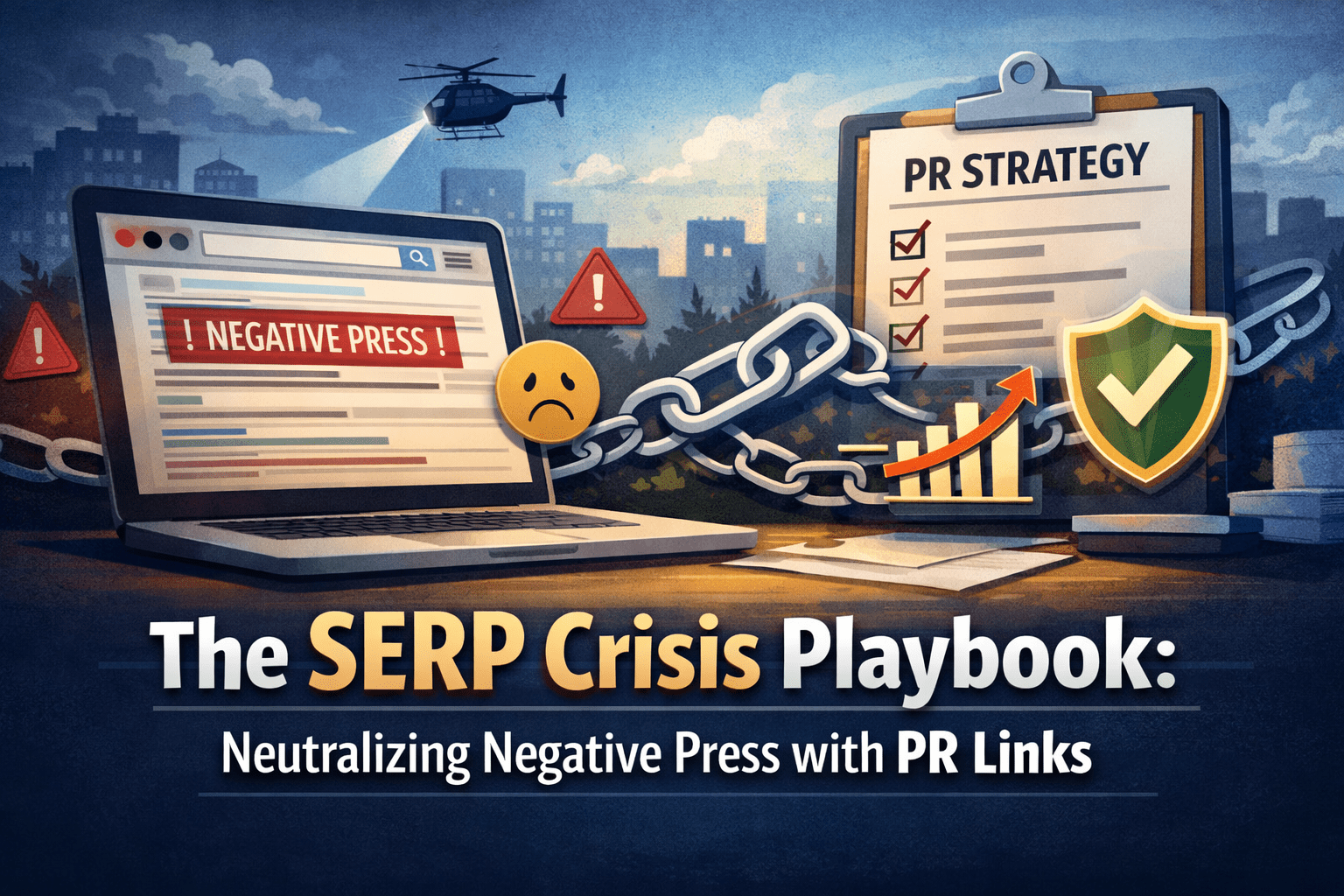
A single negative news cycle acts like a digital oil spill on your search engine results pages (SERPs). An apology on social media might placate a fraction of your current audience, but it does nothing to fix the algorithm. When a high-authority publication publishes a damaging piece, Google’s “Query Deserves Freshness” (QDF) model often rockets that article to the top of your branded search results.
Traditional damage control is insufficient. Standard link building guest posts, directory submissions, or weak syndications lacks the algorithmic weight to dislodge authoritative news domains. To combat a highly trusted, fresh negative article, you must deploy equally fresh, highly authoritative positive signals.
This is where the strategic deployment of PR links transitions from a standard SEO tactic into a critical crisis management tool.
The Anatomy of PR Links
PR links are not merely hyperlinks; they are trust signals wrapped in editorial context. Earned through active journalist outreach, data-led digital PR campaigns, and strategic press distribution, these links sit natively within high tier media publications.
For an SEO expert, a PR link from a Tier-1 publication does two things a standard backlink cannot:
- It passes immense, immediate algorithmic trust.
- It generates real, engaged referral traffic that signals user satisfaction to search engines.
How PR Links Engineer Reputation Recovery
When executing a reputation recovery strategy, PR links serve as the primary lever for SERP suppression—the practice of pushing negative results off the first page. Here is the operational breakdown:
- Engineering SERP Displacement: Do not route all PR links to your homepage. Instead, funnel this high-authority link equity to secondary, positive digital assets that you control or influence. By pointing PR links to your corporate YouTube channel, a positive feature on an industry blog, or a dedicated philanthropic landing page, you empower these positive assets to outrank the negative news cycle.
- Neutralizing the QDF Advantage: Negative news spikes because search engines prioritize sudden bursts of relevant, highly clicked information. You counter this by launching data-backed, newsworthy PR campaigns. This feeds the algorithm a competing, positive narrative that demands fresh indexing and shares the spotlight.
- Anchoring E-E-A-T (Experience, Expertise, Authoritativeness, Trustworthiness): Search engines rank content based on trust. Consistent PR links from reputable journalists signal that established voices validate your brand, systematically rebuilding your algorithmic credibility over time.
- Controlling the Narrative Loop: Visitors arriving via editorial PR links arrive pre-framed by a positive context. This drives highly targeted, high-intent traffic to your site, diluting the behavioral signals (like high bounce rates on your branded terms) associated with the negative press.
Execution Blueprint: Actionable PR Link Strategies
To leverage PR links effectively during a brand crisis, abandon generic outreach and adopt a targeted, aggressive digital PR protocol:
- Deploy Proprietary Data Campaigns: Journalists ignore corporate apologies, but they cover original research. Commission a survey or release internal, anonymized industry data to create a genuinely newsworthy hook. This forces publications to cite you and link to you as the primary data source.
- Target the “Trust Tier,” Not Just Domain Rating (DR): A link from a DR 60 site with rigorous editorial standards and high niche relevance will outperform a link from a bloated DR 80 syndication network. Focus outreach strictly on publications your specific audience actually reads and trusts.
- Synergize Earned and Owned Media: Amplify your earned PR links. When a major publication links to your brand, distribute a press release highlighting that specific coverage. This creates a secondary layer of press release backlinks that validate the original PR link, establishing a robust, interconnected web of positive sentiment.
- Track Branded SERP Volatility: Standard rank tracking is not enough. Monitor your brand-name search results daily using tools that track SERP feature changes (like Top Stories carousels). Measure success not just by traffic, but by the physical displacement of negative URLs from positions 1-10.
- Accelerate Outreach with AI Intelligence: Use AI-driven media databases to map journalist beats and identify reporters who currently cover the topics your new, positive campaign addresses. This ensures your pitches land in the right inboxes, maximizing placement velocity when time is critical.
The Strategic Imperative
Treating PR links as a passive byproduct of marketing is a critical error during a brand crisis. They are active, algorithmic counter-measures.
Executing this requires precision. Partnering with specialized SEO and digital PR agencies, such as AdLift, ensures your link equity is strategically routed to suppress negative narratives and restore SERP dominance. Investing in a robust PR link architecture does more than weather the current storm; it builds an algorithmic moat that protects your brand’s digital reputation against future volatility.